
- English
- Español
- Português
- русский
- Français
- 日本語
- Deutsch
- tiếng Việt
- Italiano
- Nederlands
- ภาษาไทย
- Polski
- 한국어
- Svenska
- magyar
- Malay
- বাংলা ভাষার
- Dansk
- Suomi
- हिन्दी
- Pilipino
- Türkçe
- Gaeilge
- العربية
- Indonesia
- Norsk
- تمل
- český
- ελληνικά
- український
- Javanese
- فارسی
- தமிழ்
- తెలుగు
- नेपाली
- Burmese
- български
- ລາວ
- Latine
- Қазақша
- Euskal
- Azərbaycan
- Slovenský jazyk
- Македонски
- Lietuvos
- Eesti Keel
- Română
- Slovenski
- मराठी
- Srpski језик

How Does an Alcove Bathtub Transform Bathroom Functionality and Long-Term Value?
An alcove bathtub—also known as a recessed tub—is a three-wall-enclosed fixture designed to maximize space efficiency, bathing comfort, and installation stability. It remains one of the most popular bathtub formats across North America due to its practical layout, safety-focused structure, and compatibility with modern renovation standards.
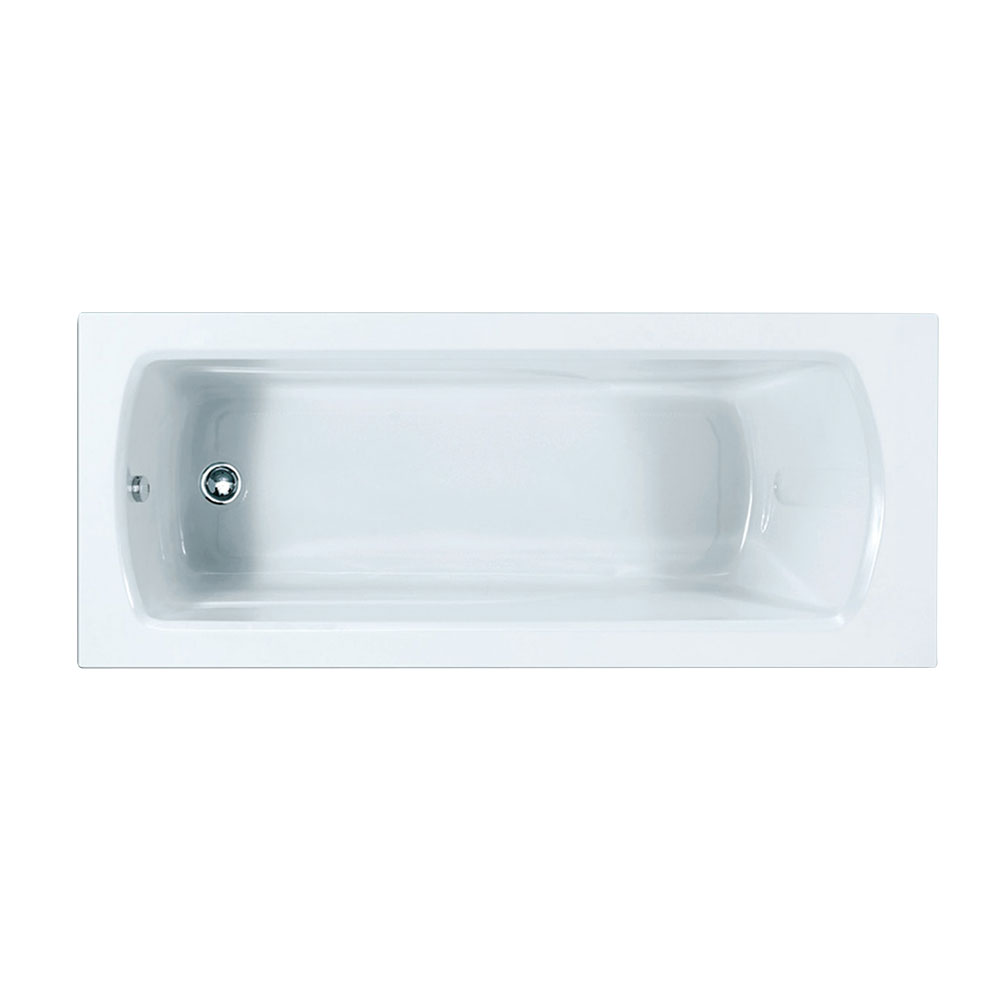
Product Specifications Overview
To provide a clear and professional reference, the following table outlines the typical specifications of a high-quality alcove bathtub suitable for modern bathroom installations:
| Specification Category | Details |
|---|---|
| Installation Type | Three-wall alcove, recessed installation |
| Material Options | Acrylic, fiberglass-reinforced acrylic, cast iron, solid surface |
| Standard Length Options | 60 in / 1524 mm, 66 in / 1676 mm |
| Width Options | 30–32 in (762–813 mm) |
| Depth to Overflow | 14–17 in (355–432 mm) |
| Interior Bathing Depth | 17–21 in depending on model |
| Drain Location | Left drain or right drain |
| Tub Shape | Rectangular with ergonomic backrest |
| Surface Finish | High-gloss, scratch-resistant, stain-resistant |
| Reinforcement Structure | Multi-layer fiberglass or enamel coating on cast iron |
| Skirt/Apron Style | Integrated front apron |
| Water Capacity | 50–80 gallons depending on depth |
| Optional Add-Ons | Anti-slip flooring, arm supports, overflow cover options, sound insulation layers |
| Cleaning Requirements | Non-abrasive cleaners, low-maintenance surface |
| Compatibility | Suitable for shower-tub combinations |
This specification list reflects industry-standard expectations and demonstrates how professionally engineered alcove bathtubs enhance both usability and longevity.
How Does an Alcove Bathtub Improve Space Optimization and Bathroom Layout?
An alcove bathtub is engineered specifically for layouts where efficient use of space is essential. By fitting directly between three walls, it transforms a simple corner into a functional bathing zone while leaving the remainder of the bathroom open and navigable. This ability to optimize square footage is one of the primary reasons why alcove designs remain dominant in urban homes, compact apartments, hotels, and remodels.
How the Three-Wall Structure Maximizes Usable Area
The recessed design allows the tub to act as part of the room’s structure. This integration reduces the need for additional framing and hardware and helps maintain a clean, linear layout. Unlike freestanding tubs, which require clearance on all sides, an alcove bathtub gives homeowners full control over floor space. The three-wall enclosure doubles as an ideal location for a shower system, further enhancing practicality.
How Installation Flexibility Supports Renovation Needs
Alcove bathtubs are available in standard sizes and drain orientations—left or right—allowing installers to match existing plumbing with minimal modification. The integrated apron strengthens the structure and provides straightforward access for maintenance. This reliability makes alcove tubs a preferred solution for contractors aiming for efficient project timelines and seamless integration in existing layouts.
How Material Engineering Enhances Everyday Use
Modern alcove tubs are crafted from materials optimized for heat retention, impact resistance, and smooth surface texture. Acrylic remains the most common choice due to its balance of weight and durability, while cast iron versions provide excellent longevity and heat retention. Reinforced fiberglass layers prevent surface deformation, ensuring stability and comfort even after prolonged use.
How Ergonomic Design Improves Bathing Comfort
Many alcove tubs are designed with a sloped backrest, optimized interior contours, and integrated armrests. These features allow for a relaxing bathing position even in smaller spaces. The rectangular geometry maximizes internal bathing room while maintaining footprint efficiency.
How Does an Alcove Bathtub Provide Functional Advantages Compared to Other Bathtub Types?
homeowners frequently compare alcove tubs to freestanding, drop-in, and corner options. Each bathtub style has its own strengths, but alcoves are uniquely suited for practicality-driven installations.
How Alcove Bathtubs Offer Greater Safety and Accessibility
The built-in apron and surrounding walls create stable entry points, reducing slip risks. An alcove installation also allows for the addition of grab bars, textured flooring, and low-threshold edges, making the tub especially appealing for households prioritizing safety—such as families with children, seniors, or limited-mobility individuals.
How Alcove Tubs Achieve Superior Shower-Tub Combination Function
Because the tub is naturally enclosed, it becomes the most compatible option for combined bathing and showering. Water retention, splash control, and curtain or door installation all operate effectively in this environment. Homes aiming for hybrid functionality consistently lean toward alcove configurations.
How Maintenance Becomes Simpler with Recessed Designs
With three walls surrounding the unit, there are fewer exposed surfaces where dust, water minerals, or mold can accumulate. High-gloss acrylic surfaces resist stains and wipe clean with minimal effort. The confined installation also protects plumbing fixtures and prevents accidental damage.
How Cost Efficiency Factors into the Alcove Advantage
Alcove tubs are typically more budget-friendly than custom or freestanding designs. Installation requires fewer decorative features, fewer surrounding materials, and less labor time. This makes alcoves a preferred option for renovation projects aiming for high resale value without excessive investment.
How Will Alcove Bathtubs Continue to Evolve With Future Bathroom Trends?
As bathroom design increasingly embraces multifunctional, wellness-driven, and technology-integrated systems, alcove bathtubs are undergoing their own transformation to meet modern expectations.
How Smart Features Are Enhancing the Bathing Experience
Future alcove tubs are expected to integrate optional features such as:
-
Digital water-temperature control systems
-
Silent water-flow valves
-
Built-in LED lighting contours
-
Enhanced ergonomic shaping for deeper soaking
-
Sound-insulated underlayers for quieter filling
These advancements allow the alcove tub to remain relevant even in competition with luxury-oriented freestanding tubs.
How Eco-Efficient Design Is Influencing Manufacturing Standards
With increasing interest in environmental responsibility, manufacturers are focusing on:
-
Low-VOC materials
-
Improved insulation for reduced hot-water usage
-
Lightweight structures for lower transportation energy
-
Surfaces designed to resist chemical-heavy cleaning agents
These enhancements allow homeowners to maintain sustainability without compromising performance.
How Style Trends Are Shifting Toward Sleek Minimalism
Contemporary alcove tubs feature slim aprons, smooth lines, and neutral finishes that integrate easily into both classic and modern bathrooms. Color options may expand gently within the design world, offering matte whites, soft creams, and subtle stone-inspired textures.
How Long-Term Home Value Continues to Increase With Practical Designs
Real estate professionals consistently cite shower-tub combinations as top selling points in family-oriented markets. A well-installed alcove bathtub remains both timeless and highly attractive to potential buyers due to its utility and durable nature.
How to Choose the Right Alcove Bathtub Based on Home Needs?
Choosing the ideal alcove bathtub depends on a range of performance and design considerations. Understanding how each factor affects daily use helps homeowners invest in the right solution.
How to Determine the Proper Tub Size
Before selecting a model, measure:
-
Wall-to-wall alcove span
-
Floor-to-ceiling tile height
-
Maximum installation depth
-
Clearance needed for plumbing access
A standard 60-inch tub is appropriate for most homes, while longer options provide additional soaking comfort.
How to Evaluate Material Durability and Comfort
Each material behaves differently:
-
Acrylic: Lightweight, warm to the touch, economical
-
Fiberglass-reinforced acrylic: Stronger, more stable, excellent for long-term usage
-
Cast iron: Premium, durable, exceptional heat retention
-
Solid surface: Luxury feel with superior longevity
Selecting the appropriate material depends on desired performance and budget.
How to Match Tub Design With Bathroom Style
A minimalist straight-apron tub suits smaller homes, whereas sculpted aprons add subtle dimension. Choose finishes that complement existing tile, fixtures, and color schemes.
How to Install a Shower System in an Alcove Configuration
Key considerations include:
-
Wall reinforcement
-
Waterproofing membrane systems
-
Showerhead angle for splash control
-
Curtain rod or glass enclosure compatibility
Proper preparation ensures long-term watertight integrity.
Frequently Asked Questions
Q1: How long does a high-quality alcove bathtub typically last?
A1: A well-constructed alcove bathtub can last 15–30 years depending on material, usage, and maintenance. Cast iron versions may exceed 50 years due to their enamel-coated durability. Acrylic and reinforced acrylic models maintain structural integrity when cleaned with non-abrasive products and installed with proper support.
Q2: How difficult is it to replace an existing alcove bathtub during remodeling?
A2: Replacement difficulty depends largely on plumbing accessibility, wall condition, and removal of the old unit. Most tubs are sized to fit industry-standard openings, making replacement relatively straightforward for professional installers. Surrounding tile may need minor repair, but the installation is generally simpler than freestanding or custom tubs.
How Does an Alcove Bathtub Continue to Lead in Practical Bathroom Design?
Alcove bathtubs remain a top choice for homeowners seeking a balance of functionality, comfort, and long-term value. Their space-efficient construction, compatibility with shower systems, ergonomic enhancements, and evolving modern features make them essential fixtures in both new builds and renovations. As the industry shifts toward smarter, more sustainable bathroom solutions, the alcove tub continues to adapt while maintaining practicality at its core. Brands like Yanasi offer high-quality, durable alcove bathtub solutions designed to meet both current and future bathroom standards. For homeowners, designers, or contractors seeking professional guidance or customized recommendations, contact us to explore available options and detailed product support.