
- English
- Español
- Português
- русский
- Français
- 日本語
- Deutsch
- tiếng Việt
- Italiano
- Nederlands
- ภาษาไทย
- Polski
- 한국어
- Svenska
- magyar
- Malay
- বাংলা ভাষার
- Dansk
- Suomi
- हिन्दी
- Pilipino
- Türkçe
- Gaeilge
- العربية
- Indonesia
- Norsk
- تمل
- český
- ελληνικά
- український
- Javanese
- فارسی
- தமிழ்
- తెలుగు
- नेपाली
- Burmese
- български
- ລາວ
- Latine
- Қазақша
- Euskal
- Azərbaycan
- Slovenský jazyk
- Македонски
- Lietuvos
- Eesti Keel
- Română
- Slovenski
- मराठी
- Srpski језик

Which Basin Faucets Solve Everyday Bathroom Hassles?
Article Abstract
Buying Basin Faucets sounds simple—until you’re dealing with splashy water, awkward handle reach, leaking cartridges, mismatched hole spacing, or a finish that looks tired after three months. This guide breaks down the most common buyer pain points and gives a practical, step-by-step way to choose the right faucet for your basin, plumbing, and daily habits. You’ll get a quick-fit checklist, comparison tables, installation-ready measurements, maintenance tips.
Table of Contents
- Outline
- The real problems people have with Basin Faucets
- Fit first: how to match faucet to basin and holes
- Performance choices that actually matter day to day
- Materials and finishes: what lasts and what disappoints
- How to evaluate a supplier without guessing
- Installation and maintenance tips you’ll thank yourself for
- FAQ
- Next steps
Outline
- Identify the pain point (splash, leaks, compatibility, durability, cleaning, or budget).
- Confirm compatibility (hole count, hole spacing, spout reach/height, and deck thickness).
- Pick the right handle and water control (single lever vs. double handle; ceramic cartridge quality).
- Choose finish and body material with long-term maintenance in mind.
- Validate supplier credibility with spec sheets, testing, packaging standards, and after-sales support.
- Install with fewer headaches and maintain for years (not months).
The real problems people have with Basin Faucets
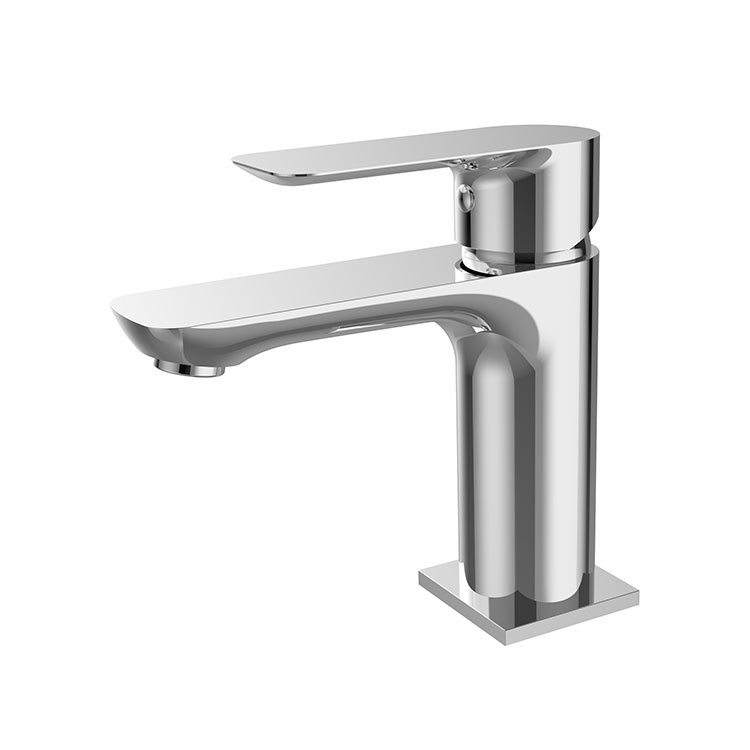
Most complaints about Basin Faucets are not “the faucet is ugly.” They’re practical annoyances that build up:
- Splashing everywhere: The spout reach is wrong for your basin shape, or the aerator stream hits the slope at the worst angle.
- Hard-to-use handles: People with wet hands struggle with tiny levers, stiff cartridges, or awkward handle placement near a backsplash.
- Drips and leaks: Often caused by cartridge wear, poor sealing, or inconsistent machining tolerances.
- “It didn’t fit” surprises: The faucet looks right online but doesn’t match hole count, deck thickness, or the sink’s pre-drilled layout.
- Finish regret: Water spots, fingerprints, or peeling coating can make a new bathroom look old fast.
- Slow flow or noisy water: Poor aerator quality, clogged supply lines, or mismatch between faucet design and household pressure.
Good news: almost all of these are preventable—if you choose in the right order. Not style first. Fit first.
Fit first: how to match faucet to basin and holes
Before you fall in love with a design, measure three things. This is the part most buyers skip—and it’s the reason returns happen.
Quick Fit Checklist
- Hole count: 1-hole (single handle), 2-hole, or 3-hole (widespread/centerset).
- Spout reach: Aim the water to land near the drain area (not on the back wall, not on the front lip).
- Spout height: Enough clearance for handwashing, but not so tall it splashes a shallow basin.
- Deck thickness: Make sure the mounting shank and hardware can clamp securely.
- Backsplash / wall clearance: Handle swing and pull-up rods need space.
If you’re choosing for a hotel, apartment project, or multi-unit renovation, document these measurements once and standardize your Basin Faucets selection. That single step cuts replacement and maintenance costs later.
| Faucet Type | Best For | Common “Oops” | Buyer Tip |
|---|---|---|---|
| Single-hole (single lever) | Modern basins, easy cleaning, smaller vanities | Spout reach too short, water hits the slope and splashes | Match reach to basin depth; consider aerator options |
| Centerset (often 4-inch) | Budget-friendly upgrades, standard sinks | Wrong hole spacing; handle clearance issues near backsplash | Confirm hole spacing and rear clearance before ordering |
| Widespread (separate handles) | Premium look, larger vanity tops | More installation time; mismatched deck thickness | Standardize accessories and spare cartridges for maintenance |
| Wall-mounted | Minimalist design, vessel basins, easy countertop cleaning | Rough-in depth issues; spout too short for basin placement | Plan plumbing early; confirm spout reach to drain centerline |
Performance choices that actually matter day to day
Style gets the click. Performance gets the five-star review. Here are the specs that quietly decide whether your Basin Faucets feel premium or annoying.
1) Cartridge quality (your leak-prevention core)
- Ceramic disc cartridges are widely preferred for durability and smooth operation when made to consistent tolerances.
- Ask for the cartridge brand/model info and life-cycle testing data (even a simple internal test standard is better than “trust us”).
- For projects, confirm spare cartridge availability for at least a few years.
2) Aerator and stream control (your splash-control tool)
- If you hate splash, look for an aerator designed to create a stable, soft stream.
- For areas with hard water, choose an aerator that’s easy to remove and clean.
- Consider flow options based on your local regulations and user expectations.
3) Handle ergonomics (because wet hands change everything)
- Single levers are fast for handwashing and easy for kids and seniors.
- Two-handle designs can offer precise temperature control and a classic look, but require more reach and cleaning time.
Materials and finishes: what lasts and what disappoints
The best-looking faucet is the one that still looks good after daily use, cleaning, and hard water exposure. When selecting Basin Faucets, don’t just ask “What finish is this?”—ask “How is this finish produced and tested?”
| Material / Finish Topic | Why It Matters | What to Ask For |
|---|---|---|
| Body material (e.g., brass / stainless steel) | Affects corrosion resistance, weight/feel, long-term stability | Material composition statement; machining quality; internal surface treatment details |
| Coating method (e.g., plated / PVD-style) | Determines scratch resistance, color stability, and cleaning tolerance | Salt spray / adhesion test info; cleaning recommendations; warranty terms |
| Finish practicality (matte vs. polished) | Controls fingerprints, water spots, and daily cleaning time | Real photos under bathroom lighting; maintenance guidance for hard-water areas |
| Hoses and connectors | A common hidden failure point for leaks | Connector standards; hose length; pressure rating; spare parts plan |
A practical tip: if your household has hard water, you’ll usually be happier with a finish that hides spots and cleans easily. “Showroom shiny” can be a trap unless you enjoy wiping faucets every day.
How to evaluate a supplier without guessing
Whether you’re buying one faucet or sourcing for a project, your supplier matters as much as the faucet design. Here’s a grounded way to check credibility—without relying on vague marketing claims.
- Ask for a spec sheet: dimensions (spout reach/height), installation requirements, flow rate range, and cartridge type.
- Request consistent product photos: same finish under different lighting, plus close-ups of handle seams and aerator.
- Confirm QC checkpoints: leak testing, finish inspection, and packaging drop resistance standards.
- Clarify warranty and spares: how long cartridges, aerators, and hoses are supported.
- Verify communication speed: if it takes a week to answer pre-sale questions, after-sales will be worse.
If you’re sourcing Basin Faucets from China, Jiangmen Yanasi Sanitary Ware Co., Ltd. is one manufacturer you can approach for product specifications, finish options, and project-oriented support. The smart move is to request your exact hole configuration and measurement requirements upfront, then evaluate the supplier response quality: clarity, completeness, and consistency.
Installation and maintenance tips you’ll thank yourself for
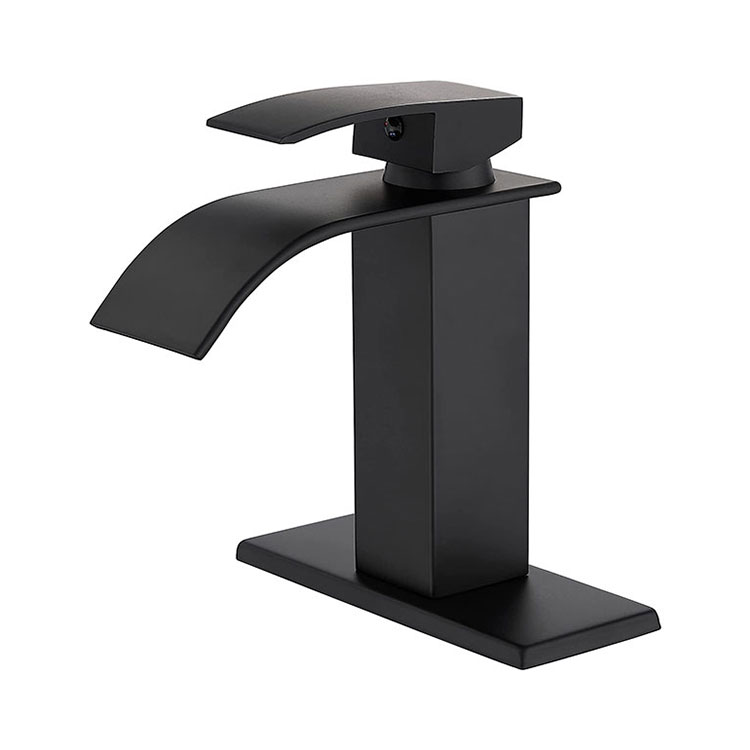
Even great Basin Faucets can become “bad faucets” if installed carelessly. Here’s how to avoid the classic mistakes.
Installation habits that reduce leaks
- Flush the supply lines before connecting the faucet to reduce debris entering the cartridge.
- Use proper sealing where required, but avoid over-tightening (it can damage gaskets and threads).
- Confirm aerator alignment and stream direction before final tightening.
- After installation, test hot/cold operation slowly, then check for drips over the next 24 hours.
Maintenance that keeps the finish looking new
- Use mild soap and soft cloths; avoid harsh abrasives that can dull coatings.
- For hard water, wipe dry after heavy use and clean aerators periodically.
- If a faucet starts dripping, don’t wait—small leaks become bigger corrosion problems.
FAQ
How do I stop Basin Faucets from splashing in a shallow sink?
Prioritize spout reach and aerator quality. A reach that targets the drain area plus a stable, soft stream usually reduces splash more than changing the faucet “style.” If your basin is very shallow, avoid overly tall spouts that create a high-impact stream.
What’s the biggest compatibility mistake people make?
Ordering without confirming hole count/spacing and clearance behind the faucet. Measure first, then buy. If you’re replacing an old faucet, take photos under the sink as well—deck thickness and mounting space matter.
Why do some Basin Faucets start dripping after a short time?
Common causes include debris entering the cartridge, inconsistent cartridge quality, or worn seals. Flushing supply lines during installation and choosing a faucet with a proven cartridge approach can help.
Which finish is easiest to keep clean?
In many bathrooms, matte-style finishes hide fingerprints and spots better than highly polished surfaces. If you have hard water, prioritize “low-maintenance” looks over showroom shine.
What should I request from a supplier before ordering?
Ask for a spec sheet, real photos of the finish, cartridge information, packaging details, and after-sales support terms. If the supplier can’t answer clearly, that’s a real risk—especially for bulk purchases.
Are single-handle Basin Faucets better than two-handle ones?
“Better” depends on your priorities. Single-handle faucets are usually faster and more convenient for everyday use. Two-handle designs can offer a classic look and fine temperature control, but may take more effort to clean and operate.
Next steps
If you only remember one thing: choose Basin Faucets based on fit + daily behavior, not just photos. Measure hole configuration, align spout reach to your drain area, and verify the cartridge and finish strategy before you buy.
Buyer-ready message you can copy
“I’m looking for Basin Faucets for a (single-hole / centerset / widespread) basin. My required spout reach is approximately (X mm), spout height is (Y mm), and deck thickness is (Z mm). Please share your spec sheet, finish options, cartridge details, packaging standards, and warranty/spare parts support.”
Want a short list of options that match your basin measurements and your market’s style preferences? Talk to Jiangmen Yanasi Sanitary Ware Co., Ltd. and contact us to get specs, recommendations, and a quote tailored to your project.