
- English
- Español
- Português
- русский
- Français
- 日本語
- Deutsch
- tiếng Việt
- Italiano
- Nederlands
- ภาษาไทย
- Polski
- 한국어
- Svenska
- magyar
- Malay
- বাংলা ভাষার
- Dansk
- Suomi
- हिन्दी
- Pilipino
- Türkçe
- Gaeilge
- العربية
- Indonesia
- Norsk
- تمل
- český
- ελληνικά
- український
- Javanese
- فارسی
- தமிழ்
- తెలుగు
- नेपाली
- Burmese
- български
- ລາວ
- Latine
- Қазақша
- Euskal
- Azərbaycan
- Slovenský jazyk
- Македонски
- Lietuvos
- Eesti Keel
- Română
- Slovenski
- मराठी
- Srpski језик

Which Shower System Makes Your Bathroom Upgrade Feel Effortless?
Abstract
A shower should be the easiest part of your day. Yet most complaints sound the same: temperature swings, weak pressure, messy hoses, mismatched finishes, leaks around valves, and upgrades that look great on day one but become a maintenance headache later. This article walks through the real decisions that matter when selecting a Shower System: control type, installation style (concealed vs. exposed), material quality, finish durability, family safety features, and the small details that separate “nice photo” from “daily comfort.” You’ll also find a comparison table, a quick buying checklist, and a practical FAQ so you can speak confidently with installers or suppliers.
Table of Contents
2) The Pain Points Homeowners Actually Feel
3) Understanding Shower System Types Without the Confusion
4) Building a Shower System That Fits Your Routine
5) Materials and Finishes That Hold Up
6) Installation Planning to Prevent Rework
7) Pressure, Temperature, and Flow: What Changes the Experience
Outline at a Glance
- Start with your pain point: temperature, pressure, clutter, maintenance, or aesthetics.
- Pick the control approach: manual mixer vs. pressure-balance vs. thermostatic.
- Choose the installation style: exposed for simplicity, concealed for a clean wall.
- Confirm materials and finishing: solid metal where it counts, reliable valve core, durable plating/coating.
- Plan the layout: head height, reach for hand shower, diverter positions, and who uses the bathroom.
- Double-check compatibility: water pressure, heater type, pipe depth, and local installation requirements.
The Pain Points Homeowners Actually Feel
Most people shop for a Shower System because something is “off” with their current shower. If you can name the frustration, you can fix it faster—and spend smarter.
- Sudden hot/cold surprises: Often caused by unstable mixing control or fluctuating supply pressure when someone runs a tap elsewhere.
- Weak or inconsistent pressure: Can come from old plumbing, clogged nozzles, undersized piping, or a shower head that isn’t matched to your water conditions.
- Cluttered look and hard-to-clean corners: Too many visible parts, awkward shelves, or hoses that twist.
- Leaks or drips: Usually a valve/cartridge issue, worn seals, or installation mismatch rather than “bad luck.”
- Finish that fades or scratches too easily: Low-quality surface treatment or harsh cleaning habits can wreck the look quickly.
- Not family-friendly: Kids and seniors need anti-scald protection, clear controls, and a hand shower with a reachable mount.
A great Shower System isn’t just “more water.” It’s predictable temperature, comfortable coverage, easy cleaning, and a layout that matches your habits.
Understanding Shower System Types Without the Confusion
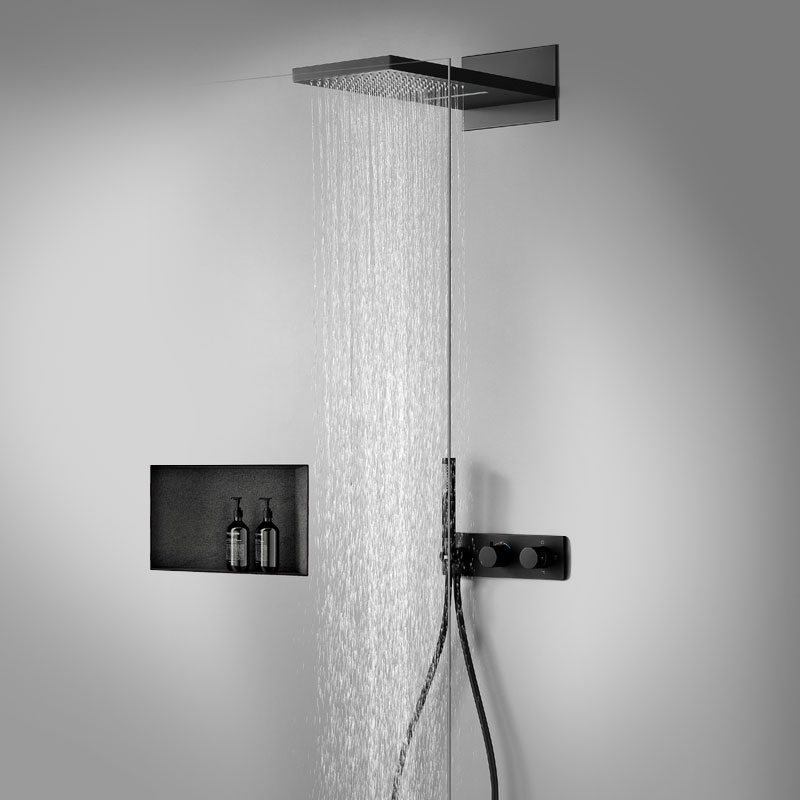
Let’s simplify the biggest choice: how the water is controlled and how the system is installed.
Control options (what you feel daily):
- Manual mixer: You adjust hot/cold by feel each time. It’s simple and budget-friendly, but less stable if supply conditions change.
- Pressure-balance: Designed to reduce temperature swing when pressure changes. Good for many homes, especially where multiple fixtures run at once.
- Thermostatic: You set a temperature and it holds steadier, often with built-in anti-scald logic. Ideal for families, hotels, or anyone who hates constant readjusting.
Installation styles (what you see and maintain):
- Exposed / surface-mounted: Easier access for service, often faster installation, and great for renovations where you don’t want to open walls.
- Concealed / hidden: Clean look with fewer parts on the wall. Planning matters more because the valve body is inside the wall.
Many modern setups mix experiences: a rainfall head for full-body coverage, a hand shower for practical tasks, and a diverter to switch between outlets. If you prefer a streamlined upgrade path, start by deciding “exposed vs. concealed,” then pick your control type.
Building a Shower System That Fits Your Routine
This is where most buyers either nail it—or end up with a shower that looks impressive but feels awkward. Build around your routine:
Use-case driven layout ideas:
- Busy mornings: A stable temperature control plus a wide coverage top shower reduces “fussing time.”
- After-work recovery: Pair a comfortable overhead spray with a hand shower for targeted rinse and easy cleanup.
- Kids and seniors: Prioritize anti-scald, clear markings, and a hand shower mount at a reachable height.
- Small bathrooms: Consider concealed installations and compact control plates to visually open the space.
- Hard water areas: Look for easy-clean nozzles and designs that simplify descaling.
If you’re sourcing from a manufacturer like Jiangmen Yanasi Sanitary Ware Co., Ltd., it’s worth asking for configuration options: outlet combinations (top shower + hand shower + spray gun), finish selections (matte black, chrome, gun grey, brushed tones), and whether the valve body is brass-based for longevity. The best suppliers are transparent about what’s included in the set and what’s optional, so you don’t discover “missing parts” when installation starts.
Materials and Finishes That Hold Up
A Shower System is used daily, so “pretty” needs to be “durable.” Here’s what matters most:
- Main body metal: Solid brass bodies are common for dependable performance and corrosion resistance in wet environments.
- Valve core / cartridge quality: A reliable cartridge helps reduce dripping and keeps handle movement smooth over time.
- Surface treatment: Chrome is classic and easy to match; matte finishes can look premium but need gentle cleaning tools.
- Nozzle design: Easy-clean nozzles make maintenance less annoying, especially in mineral-heavy water.
- Hose and connections: Look for robust connectors and sensible routing that reduces twisting and wear.
Practical tip: your cleaning habits should match the finish. Avoid abrasive pads. A soft cloth and mild cleaner protect both shine and coating.
Installation Planning to Prevent Rework
The most expensive Shower System is the one you install twice. Before you buy, align with your installer on these points:
- Wall depth and valve placement: Concealed valves need correct depth so the trim plate sits flush and seals properly.
- Pipe routing and outlet positions: Decide where the rainfall head sits, where the hand shower bracket goes, and how the hose will hang.
- Control height: Comfortable reach matters more than you think. A beautiful control that’s awkward to use becomes daily friction.
- Future maintenance access: For concealed systems, confirm how cartridges or diverters can be serviced without damaging tiles.
- Water heater type: Some systems perform differently depending on tank vs. instant heaters and supply stability.
If you’re renovating, take photos and measurements before walls close up. A few minutes of documentation can save hours later.
Pressure, Temperature, and Flow: What Changes the Experience
Buyers often chase “high pressure,” but comfort comes from balanced performance. Here are the variables that truly change how a Shower System feels:
- Consistent mixing: Stable temperature means fewer interruptions and less water waste while you re-adjust.
- Spray coverage: A larger overhead head can feel luxurious, but only if your flow supports it.
- Switching logic: A smooth diverter makes it easy to switch from top shower to hand shower without fumbling.
- Noise and vibration: Poor routing or mismatched components can create chatter. Good internal design and correct installation reduce this.
- Real-life usability: The hand shower should be comfortable in hand, not top-heavy; the hose should reach where you need it.
The “best” Shower System is the one that matches your home’s water reality. If your water pressure is modest, a well-designed head and stable valve can feel far better than an oversized head that never performs as expected.
Quick Comparison Tables
1) Control type comparison
| Option | What you’ll notice | Best for | Watch-outs |
|---|---|---|---|
| Manual mixer | Simple operation; you adjust temperature by feel each time | Budget upgrades, guest bathrooms, stable supply homes | Can require more re-adjusting when supply changes |
| Pressure-balance | Reduced temperature swing when pressure fluctuates | Busy households where multiple fixtures run | Temperature still depends on supply heat consistency |
| Thermostatic | More stable temperature; often includes anti-scald behavior | Families, hospitality projects, comfort-first bathrooms | Plan installation carefully; choose dependable internal components |
2) Installation style comparison
| Style | Look & cleaning | Installation feel | Maintenance |
|---|---|---|---|
| Exposed / surface-mounted | Visible components; easy access; straightforward wipe-down | Often faster for renovations | Usually simpler to service |
| Concealed / hidden | Minimalist wall; fewer visual parts | Needs correct wall depth and planning | Service depends on trim access and installation quality |
Buyer’s Checklist Before You Place an Order
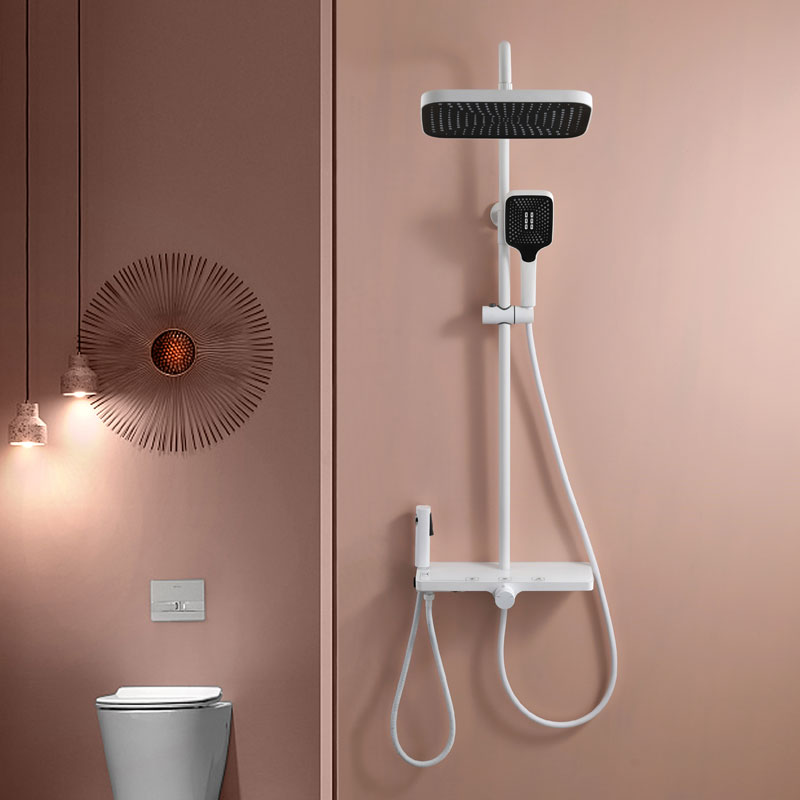
- Confirm your preferred installation style: exposed or concealed.
- Choose your control type: manual, pressure-balance, or thermostatic.
- List your outlets: top shower, hand shower, spray gun, tub spout (if needed).
- Verify material of the main body and valve housing (ask directly, don’t guess).
- Select a finish that matches other fixtures and your cleaning style.
- Check compatibility with your water heater and typical household usage.
- Ask what’s included in the set: valve body, trim, hose, bracket, diverter, seals, and installation notes.
- Confirm after-sale support expectations and typical spare parts availability.
If you want a smoother buying experience, send your bathroom measurements and a simple “who uses this shower” note to the supplier. A good manufacturer can recommend a balanced configuration rather than pushing the biggest set on paper.
FAQ
Do I need a thermostatic Shower System for a normal home?
Not always, but it’s often the “quality of life” upgrade people notice immediately. If your shower temperature changes when someone uses a sink or flushes a toilet, a thermostatic or pressure-stabilizing approach can make showers calmer and safer.
Is concealed installation always better?
Concealed looks sleek and modern, but “better” depends on your renovation scope. If you’re not opening walls, exposed systems can be practical and still stylish. Concealed shines when you can plan valve depth, outlet placement, and future access properly.
Why does my rainfall head feel weak even after I upgrade?
Many rainfall heads need sufficient flow to feel full and comfortable. If your water conditions are modest, a well-designed shower head and stable control can feel stronger than an oversized head. Also check for clogged nozzles, filters, and old piping limitations.
How do I keep matte black or darker finishes looking new?
Use a soft cloth, avoid abrasive pads, and skip harsh chemicals. Rinse and wipe after heavy use if your water leaves residue. Gentle habits matter more than people expect, especially for darker finishes.
What details should I ask a supplier before purchasing?
Ask what’s included in the set, the main body material, the cartridge type, recommended installation notes, and how spare parts are handled. A reliable supplier (including Jiangmen Yanasi Sanitary Ware Co., Ltd.) should be comfortable answering these without vague language.
Final Thoughts
A Shower System upgrade shouldn’t feel like a gamble. When you choose based on your daily routine—stable temperature, practical layout, durable materials, and sensible installation planning—you end up with a shower that feels calm, easy, and “just works.” If you’re comparing options for residential or hospitality projects, focus on comfort and serviceability as much as design.
Want a recommendation based on your bathroom layout and usage? Share your project needs and finish preference with Jiangmen Yanasi Sanitary Ware Co., Ltd. and contact us for a tailored Shower System configuration that fits your space and budget.